Atopic eczema treatment in Wrocław
Atopic dermatitis (atopic eczema) is a chronic, recurring inflammatory skin condition with itching, dryness and inflamed patches. It affects children and adults. At Luna Clinic in Wrocław dermatologist Katarzyna Cygan, MD, PhD, carries out diagnosis, treats flares and explains how to care for atopic skin between them.
Atopic dermatitis (atopic eczema) is a chronic, recurring inflammatory skin condition with itching, dryness and inflamed patches. It affects children and adults. At Luna Clinic in Wrocław dermatologist Katarzyna Cygan, MD, PhD, carries out diagnosis, treats flares and explains how to care for atopic skin between them.
Indications
Atopic dermatitis (AD) is indicated for treatment when the patient experiences persistent itching and dry skin, especially in areas such as the bends of the elbows, knees, neck or face. These symptoms lead to discomfort and frequent scratching, which can aggravate the skin lesions and cause secondary infections.
People with AD often struggle with recurring inflammatory lesions such as redness, swelling, flaking and blisters. The treatment aims to relieve the inflammation, improve the skin’s condition and prevent recurrences of the disease.
Patients with AD have a weakened protective skin barrier, which makes them more susceptible to bacterial, viral and fungal infections. Symptoms such as weeping lesions, worsening erythema or the appearance of blisters are an indication for more intensive dermatological treatment.
Atopic dermatitis, especially in severe forms, significantly affects patients’ quality of life, causing sleep problems, irritability and low mood. Dermatological treatment, including topical and systemic therapy as well as patient education in skin care, is necessary to improve comfort of life and reduce the symptoms of the disease.
Diagnoza
The dermatologist begins the diagnosis of AD with a detailed interview covering questions about the symptoms, their severity, duration and factors that may aggravate them, such as allergens, stress or weather changes. They also gather information about the family history of skin diseases, other atopic conditions such as asthma or allergic rhinitis, and the care and treatment methods used so far. Then they carry out a thorough skin examination, assessing its structure, hydration, the presence of redness, flaking or cracks, and the typical location of the lesions, such as the elbow and knee bends or the face.
Leczenie farmakologiczne
The use of topical anti-inflammatory medications such as corticosteroids and calcineurin inhibitors helps reduce inflammation and relieve skin lesions. Corticosteroids quickly reduce redness, and calcineurin inhibitors are safe for delicate areas of skin. Oral antihistamines relieve itching, preventing scratching and secondary infections. The therapy is adjusted by the dermatologist to effectively support regeneration and improve the patient’s comfort of life.
Skin care
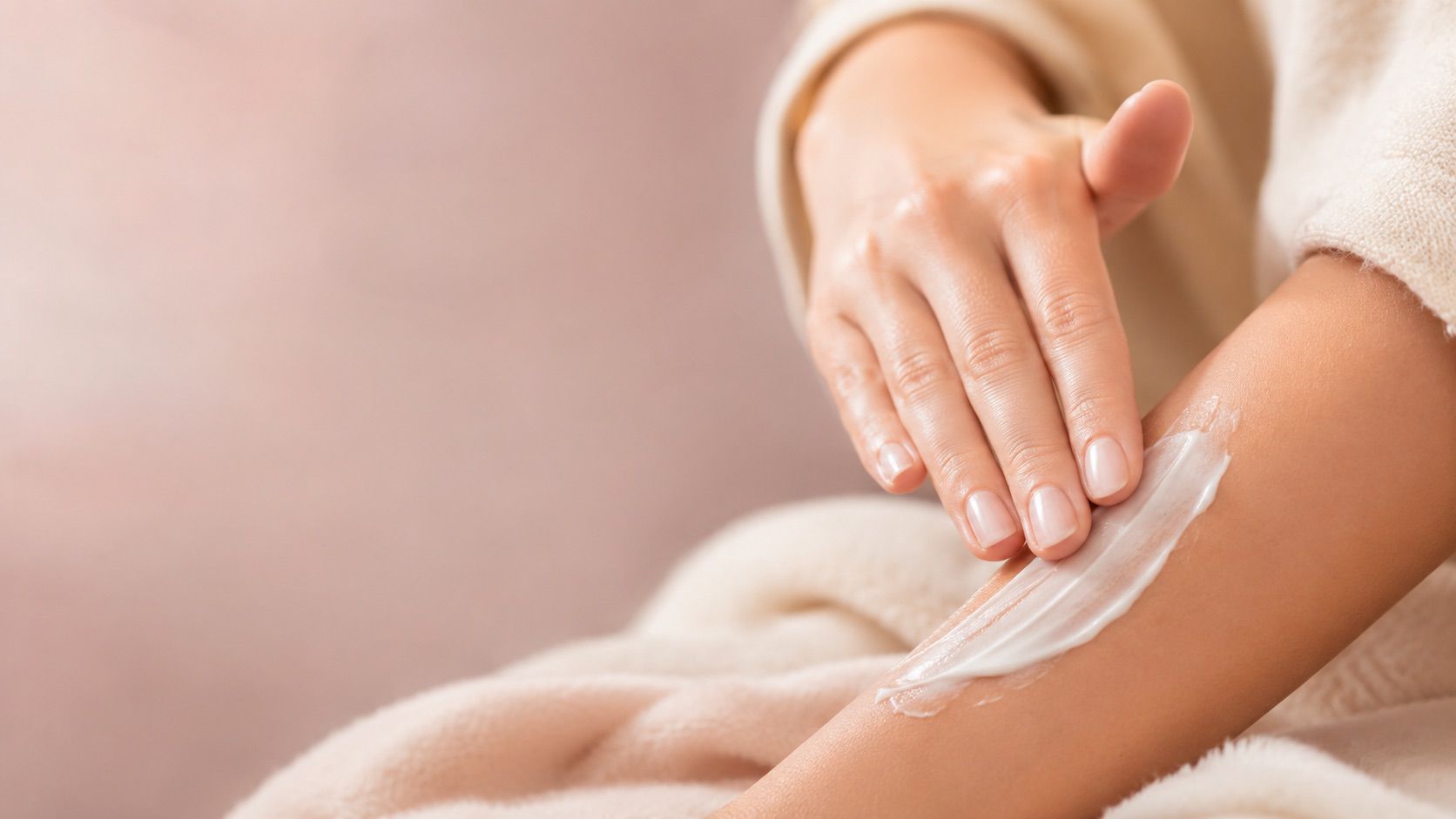
Daily use of emollients is a key element of atopic skin care that moisturises, lubricates and strengthens its protective barrier, protecting against moisture loss and irritation. Equally important is avoiding irritating factors such as strong detergents, rough fabrics or synthetic clothing, which can worsen the skin’s condition. Such regular care reduces the risk of AD flare-ups, relieves symptoms and improves the patient’s daily comfort.
Frequently asked questions
What is atopic dermatitis and how does it manifest?
AD is a chronic, inflammatory skin disease manifested by persistent itching, dryness and recurring erythematous lesions, most often in the bends of the elbows and knees, on the neck and face. It runs with periods of exacerbation and remission.
Can atopic dermatitis be completely cured?
AD is a chronic disease that cannot be permanently cured, but appropriately selected therapy makes it possible to effectively control the symptoms, prolong periods of remission and significantly improve comfort of life.
How is AD treated at Luna Clinic in Wrocław?
We select the treatment individually: emollients rebuilding the skin barrier, topical anti-inflammatory medications (corticosteroids, calcineurin inhibitors), and in more severe forms systemic therapy. The plan is set by the dermatologist after a consultation.
Is AD contagious?
No. Atopic dermatitis is not an infectious disease - you cannot catch it by touch or contact with a sick person. It is a condition with a genetic and immunological basis.
How to care for atopic skin every day?
The basis is emollients applied at least twice a day, short and lukewarm baths, gentle soap-free cleansers and avoiding irritating fabrics and detergents. Regular care reduces the frequency of flare-ups.
Does diet affect atopic dermatitis?
In some patients food allergens can worsen the symptoms, especially in children. Restrictive diets should be introduced only after allergy has been confirmed - self-elimination of products can be harmful.
Does AD occur only in children?
No. Although AD most often begins in childhood, the disease can persist or first appear in adulthood. Adult patients form a significant group of people with atopic dermatitis.
What aggravates the symptoms of atopic dermatitis?
The most common aggravating factors are stress, dry air, overheating, woollen clothing, detergents, inhalant and food allergens, and infections. Identifying your own factors helps limit recurrences.
Can you bathe and use a swimming pool with AD?
Yes, but baths should be short and lukewarm, and after getting out of the water - including chlorinated water - the skin should be immediately lubricated with an emollient. With active inflammatory lesions it is better to postpone the pool.
Are topical steroids safe in AD treatment?
Yes, used in accordance with the doctor’s recommendations they are effective and safe. The dermatologist matches the strength of the product to the body area and the duration of therapy, which minimises the risk of side effects.
When should you see a dermatologist with AD?
When itching disrupts sleep, the lesions cover large areas of the body, weeping or superinfected foci appear, or the current treatment stops working. Early consultation shortens the duration of the flare-up.
What does AD diagnosis look like during a consultation?
We make the diagnosis on the basis of a detailed interview and the clinical picture of the skin. If necessary, the dermatologist orders allergy tests or additional examinations to rule out other diseases and identify aggravating factors.
Atopic eczema treatment in Wrocław: how much does it cost?
Atopic eczema treatment is quoted individually; a dermatology consultation costs PLN 250.
Contraindications
A consultation has no significant contraindications. Any limitations concern selected treatment methods (e.g. laser vs. a tan, isotretinoin vs. pregnancy) - we will discuss them once a diagnosis is established.
How to prepare?
It is worth bringing to the visit:
- a list of medications and supplements taken
- existing documentation and test results
- a list of questions - nothing should slip your mind
- for skin lesions: do not cover them with make-up or irritate them before the visit
How does the procedure go?
We plan the treatment after a thorough skin assessment (with dermatoscopy if needed).
Recovery and recommendations
Diagnostic visits require no recovery. For treatments (e.g. laser) you will receive brief recommendations: sun protection, gentle care and avoiding high temperatures for a few days.
Effects - when and for how long?
Effect: depends on the condition and the therapy plan.
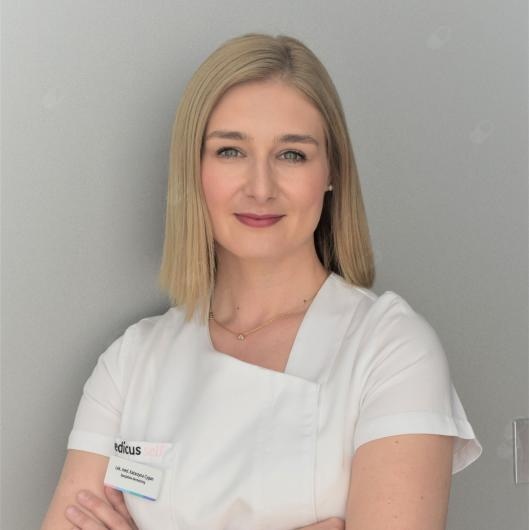
Katarzyna Cygan, MD, PhD
An experienced dermatologist and venereologist, a graduate of Wrocław Medical University. She diagnoses and treats skin diseases in patients of all ages - from dermatoscopic assessment of moles to laser therapy, microneedling radiofrequency and regenerative therapies with platelet-rich plasma. She combines dermatological and aesthetic knowledge, caring for skin that is healthy, young and natural.
Take the first step
Book a consultation - an honest conversation about expectations, possibilities and the treatment plan.
Atopic eczema treatment: price and consultation
Treatment of atopic eczema is quoted individually at Luna Clinic - it depends on severity, the medication needed and how often follow-up is required. The first step is a dermatology consultation (PLN 250).
How to book
Call +48 666 850 666 (Monday-Friday, 9:00-17:00) or send the consultation form. All prices: Luna Clinic price list.
Where we are
Luna Clinic, ul. Władysława Syrokomli 46, 51-141 Wrocław, Poland - in the Karłowice area of the Psie Pole district. There is parking for patients by the clinic. Directions and map