Orthopedics
Diagnosis and treatment of musculoskeletal conditions - from consultations and intra-articular injections to surgical procedures and arthroscopies.
Orthopedics - full list
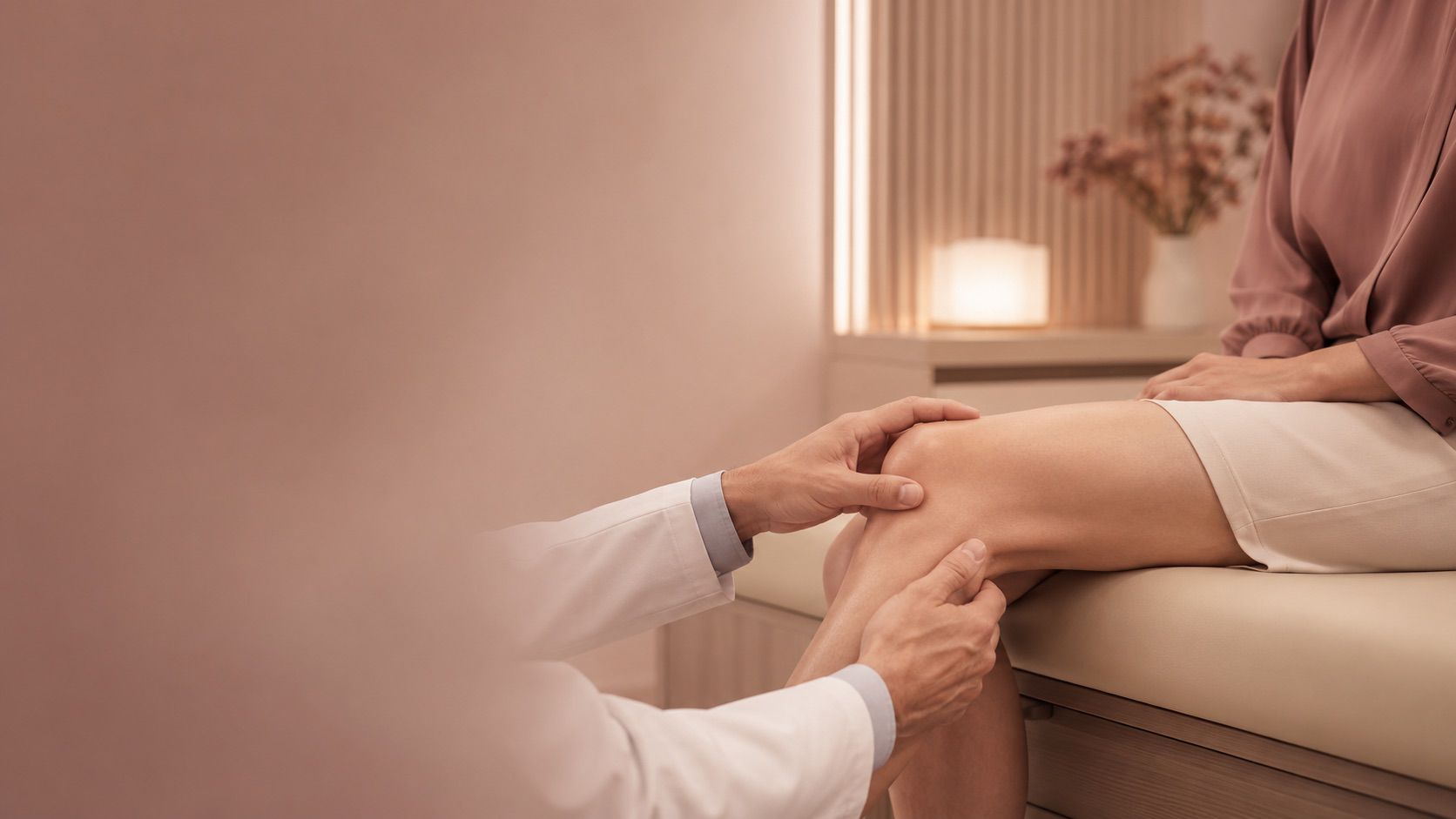
Orthopedic consultation
See treatment →
Stem cells - orthopedics
See treatment →
Pain-relief blocks
See treatment →
Trigger finger surgery
See treatment →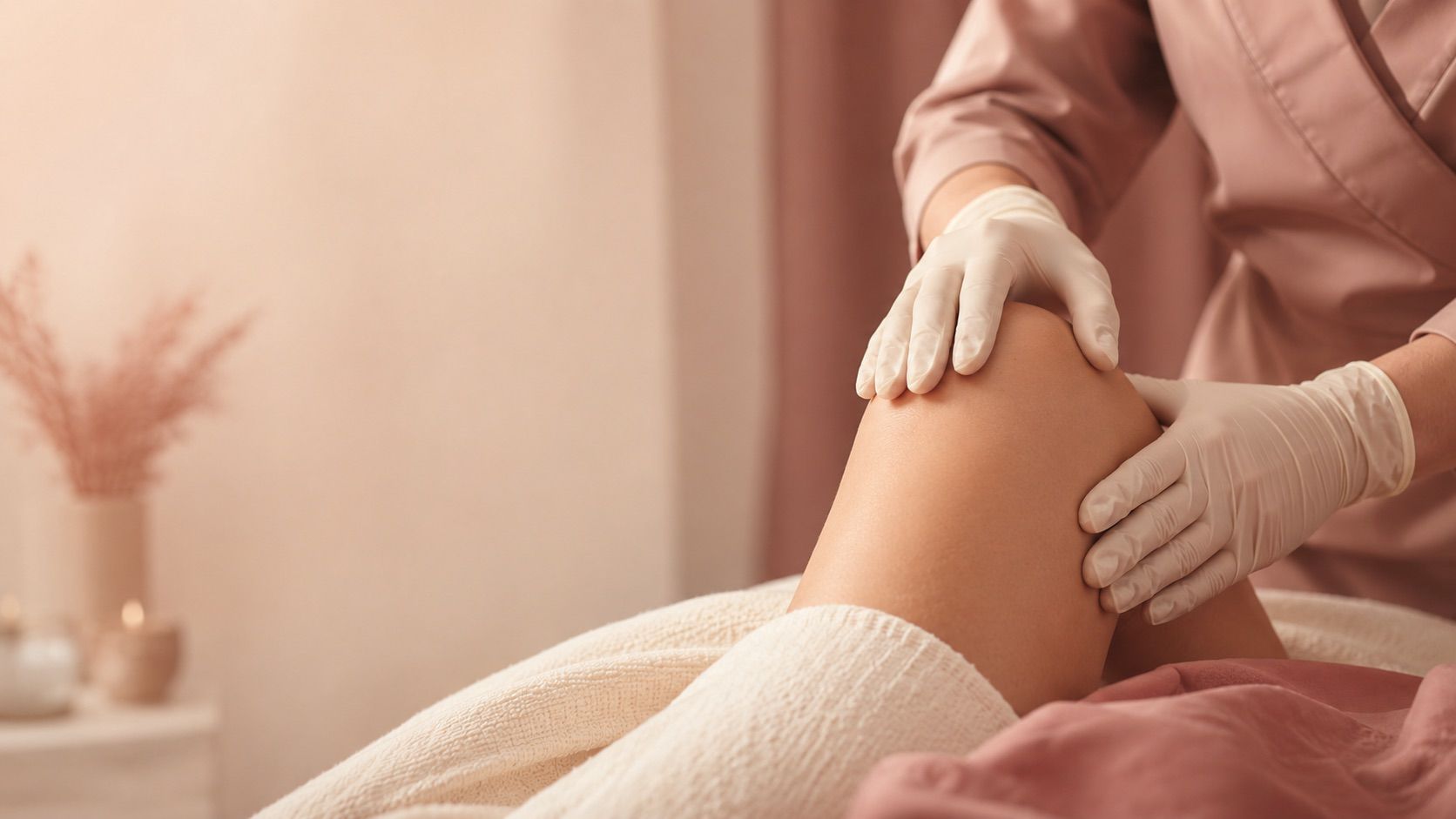
Intra-articular injections
See treatment →
Platelet-rich plasma (PRP)
See treatment →
Ganglion removal
See treatment →
Dupuytren’s contracture surgery
See treatment →
Bunion surgery (hallux valgus)
See treatment →
Knee replacement
See treatment →
ACL reconstruction (anterior cruciate ligament)
See treatment →
Hip replacement
See treatment →
Carpal tunnel syndrome surgery
See treatment →
Arthroscopy with meniscus repair
See treatment →
Knee arthroscopy
See treatment →The path to your result
Questions? Let’s talk.
Contact us by phone or through the form - we will answer all your questions and help you choose a convenient consultation date.
info@lunaclinic.pl
Władysława Syrokomli 46, 51-141 Wrocław
Mon-Fri: 09:00-17:00
Orthopedics Wrocław - Luna Clinic
The Luna Clinic orthopedic practice in Wrocław provides comprehensive diagnostics and treatment of musculoskeletal conditions and injuries - from conservative therapy and injections to advanced arthroscopic surgery and joint replacement. We treat joint pain, sports injuries, degenerative changes and conditions of the hand and foot. Every treatment plan is based on a thorough examination and imaging diagnostics, choosing the least invasive effective method. Cooperation with the manual therapy team allows us to guide the patient from diagnosis, through surgery, to full rehabilitation. The clinic is located at Władysława Syrokomli 46 in Wrocław.
Show moreCollapse
Orthopedic consultation and diagnostics
Treatment begins with an orthopedic consultation, including a medical interview, clinical examination and analysis of imaging tests. On this basis we establish the diagnosis and treatment plan - conservative or surgical. A reliable diagnosis is our priority, because it determines the effectiveness of the entire therapy and helps avoid unnecessary procedures.
Pain treatment and conservative therapy
In many cases pain can be controlled without surgery. We offer pain treatment and pain-relief blocks, which precisely relieve symptoms and make it possible to start rehabilitation. Conservative therapy is combined with manual therapy and exercises, so the result is lasting rather than temporary.
Intra-articular injections and regenerative medicine
We use modern regenerative methods: intra-articular injections with hyaluronic acid, platelet-rich plasma (PRP) and therapies based on stem cells. They support the regeneration of cartilage and periarticular tissues, slowing the development of degenerative changes and postponing the need for surgery.
Joint arthroscopy
Arthroscopy is a minimally invasive technique for diagnosing and treating the inside of a joint through small incisions. We perform knee arthroscopy and arthroscopy with meniscus repair. Its advantages are a faster return to fitness, less tissue trauma and small scars compared with classic open surgery.
Cruciate ligament reconstruction
Anterior cruciate ligament (ACL) reconstruction is one of the most common procedures in active people after knee injuries. Restoring joint stability enables a safe return to sport and everyday activity. The procedure is planned individually, and rehabilitation is conducted in stages, ensuring proper graft healing.
Hip and knee replacement
In advanced osteoarthritis, joint replacement is an effective solution. We perform hip replacement and knee replacement. An endoprosthesis frees the patient from chronic pain and restores fitness, allowing a return to activities that were previously impossible.
Hand and foot surgery
We treat conditions of the hand and foot: bunion surgery, carpal tunnel syndrome, trigger finger, Dupuytren’s contracture and ganglion removal. These procedures significantly improve quality of life, precision of movement and the ability to work.
Rehabilitation and return to fitness
The success of orthopedic treatment depends largely on well-conducted rehabilitation. Thanks to cooperation with the manual therapy team, we plan the return to fitness consistently with the procedure - from reducing swelling and pain, through rebuilding range of motion, to strengthening muscles and a full return to activity.
Orthopedic consultation in Wrocław
Book a visit with an orthopedist on +48 666 850 666 or online; indicative prices are in the price list. The clinic at Władysława Syrokomli 46 has good transport links with all of Wrocław and parking for patients. We also welcome patients from outside the city, helping to plan diagnostics and a possible procedure during a single trip.
Sports injuries and their treatment
Physical activity brings injuries - sprains, meniscus and ligament damage, muscle strains and joint contusions. At the Luna Clinic orthopedic practice we diagnose and treat sports injuries both conservatively and surgically, matching the pathway to the discipline, age and goals of the patient. Quick, accurate diagnosis and well-planned rehabilitation are key, allowing a safe return to sport and reducing the risk of re-injury. We also work with athletes preventively, limiting the effects of overload.
Osteoarthritis
Osteoarthritis is one of the most common causes of chronic joint pain, especially in the knees and hips. At an early stage we use conservative treatment, intra-articular injections and regenerative therapies that relieve symptoms and slow the progression of changes. In advanced cases, when pain and restricted movement significantly reduce quality of life, joint replacement remains an effective solution. The choice of method is always preceded by a reliable assessment of the degree of degeneration and the patient’s individual needs.
Prevention and check-ups
Many orthopedic problems can be alleviated or delayed through prevention: maintaining a healthy body weight, regular activity, strengthening stabilising muscles and responding to the first pain symptoms. We encourage check-up visits, especially for people with a genetic predisposition, doing physical work or training intensively. Early detection of changes allows conservative treatment to be introduced and more serious procedures to be avoided in the future.
Modern, minimally invasive treatment methods
Wherever possible we choose minimally invasive techniques, which mean less tissue trauma, shorter hospitalisation and a faster return to daily duties. Arthroscopy, precise injections and regenerative therapies allow effective treatment while limiting the risk of complications. At the same time, we do not avoid surgery where it is truly needed - the choice of method is determined by the patient’s wellbeing and safety, not fashion.
Imaging and functional diagnostics
Accurate treatment starts with a good diagnosis. Beyond the clinical examination, we analyse available imaging - X-ray, ultrasound or MRI - and assess joint function in motion. This allows us to distinguish complaints requiring surgery from those that will resolve with conservative treatment, and we do not expose the patient to unnecessary procedures.
Treatment adapted to age and activity
We treat a young athlete after an injury differently from a senior with advanced degeneration. The treatment plan is always adapted to the patient’s age, activity level and goals - from a full return to sport to regaining the comfort of everyday walking without pain. Every case is treated individually.
The importance of a quick response
Many injuries and musculoskeletal conditions are easier to treat at an early stage. Ignored pain, repeated overloads or joint instability can lead to permanent damage. That is why we encourage you not to delay a consultation - early diagnosis often makes it possible to avoid surgery and shortens the time needed to return to form.
Care after surgery
After every orthopedic procedure the patient receives a clear management plan and support in the rehabilitation process. We monitor healing, adjust the exercise plan and answer questions during follow-up visits. Well-conducted post-operative care is as important as the procedure itself and determines the durability of the result.